


Human Values and Professional Ethics
Human Values
- Integrity and Honesty: The college promotes truthfulness, transparency, and ethical conduct in academic and administrative practices.
- Respect and Inclusiveness: Equal respect is given to all individuals irrespective of gender, caste, religion, or background, ensuring a harmonious campus environment.
- Discipline and Responsibility: Students are encouraged to maintain punctuality, accountability, and a responsible attitude toward their academic and social duties.
- Empathy and Social Sensitivity: Through NSS and outreach programs, students develop compassion and awareness of community needs.
- Environmental Consciousness: The institution promotes sustainable practices, cleanliness drives, and tree plantation initiatives to foster environmental responsibility.
Professional Ethics
- Accountability and Commitment: Faculty and staff demonstrate professionalism, dedication, and adherence to institutional norms.
- Workplace Ethics Awareness: Seminars and career counseling sessions educate students about professional behavior and ethical standards.
- Teamwork and Leadership: Group activities and academic projects encourage collaboration and leadership development.
- Zero Tolerance for Misconduct: The college maintains strict policies against discrimination, harassment, and unethical behavior through internal grievance redressal mechanisms.
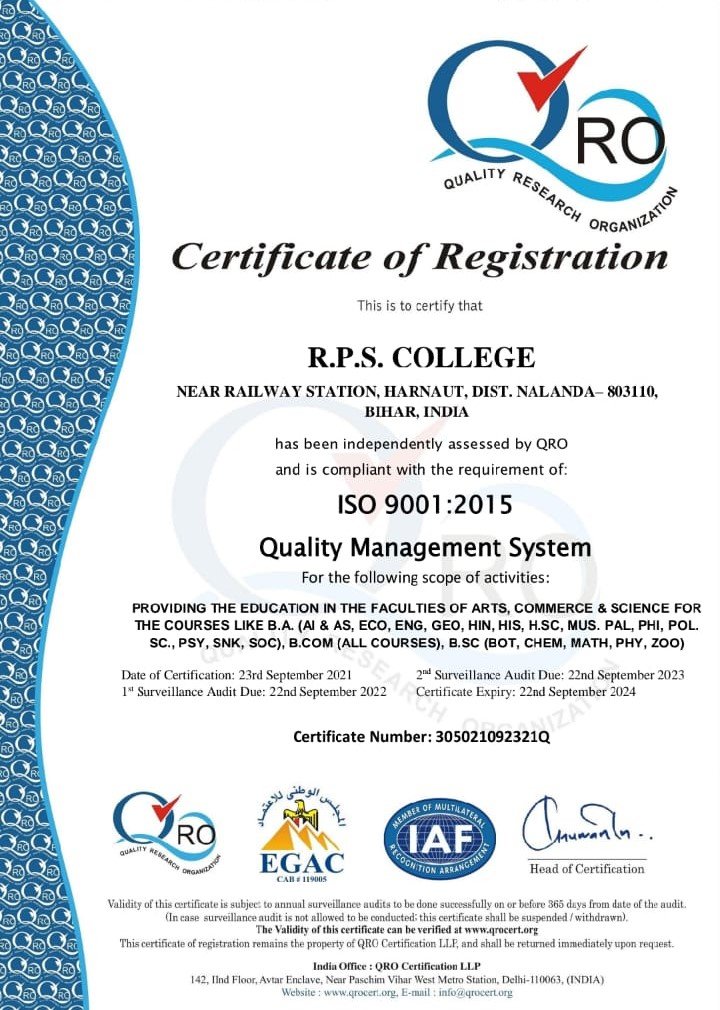
- Continuous Improvement: The institution promotes lifelong learning, skill enhancement, and adherence to quality standards.
- Through these values and ethical principles, the college aims to produce responsible, competent, and socially committed citizens